

Making Art a Core Part of Homeschool Education


Homeschooling opens up a world of limitless opportunities for children to learn in an engaging and personalized manner. One of the most enriching components of this educational path is the inclusion of art. Integrating art into the curriculum not only fosters creativity but also enhances learning in various subjects. This blog post explores how to make art a core part of homeschool education and the benefits that come with it.
The Value of Art in Homeschool Education
Art is more than just a subject; it’s a powerful tool for education. Children express their thoughts and feelings through art, developing skills that are essential for their personal and academic growth. Research indicates that students who participate in the arts are more likely to excel in other academic subjects, including math and science. This connection is due largely to the fact that art encourages critical thinking, problem-solving, and innovation.
Moreover, art enhances emotional intelligence, giving children a means to express their feelings and understand those of others. Thus, making art a fundamental component of homeschool education offers substantial benefits for a child’s cognitive and emotional development.
Ways to Incorporate Art in Your Curriculum
Incorporating art into your homeschool curriculum does not have to be a daunting task. Here are some practical ideas:
Daily Art Projects: Dedicate a small portion of the day to creating art. This could include drawing, painting, or sculpting. Projects can be thematically integrated with the subjects being studied; for instance, students can create a painting based on a historical event.
Art History Lessons: Integrate lessons about famous artists and their techniques. Studying works by artists such as Van Gogh or Monet can be paired with a hands-on project that mimics their style.
Field Trips to Art Museums: Make art appreciation a living part of your homeschool experience. Plan field trips to local art galleries or museums. This not only provides exposure to different art forms but also stimulates discussion about the pieces viewed.
Creative Writing and Art: Ask students to create illustrations for their writing projects. This encourages the merging of two essential skills—literacy and artistic expression. For example, students can write a short story and illustrate scenes or characters from their narrative.
Multi-Media Projects: Encourage students to use different media—like photography, music, and digital art—to express their understanding of a topic. Combining various forms of art can lead to innovative presentations and deeper engagement with the subject matter.
Engaging Resources for Artistic Learning
Having access to quality resources can enhance the art education experience. Here are some resources that can benefit your homeschool art classes:
Books and eBooks: There are many great titles available that focus on art techniques and famous artworks. Consider resources that include step-by-step projects or discussions on art theory.
Online Classes and Tutorials: The internet is packed with valuable resources. Websites and platforms offer free or low-cost art classes. Look for tutorials that cater to your child’s age group and interests.
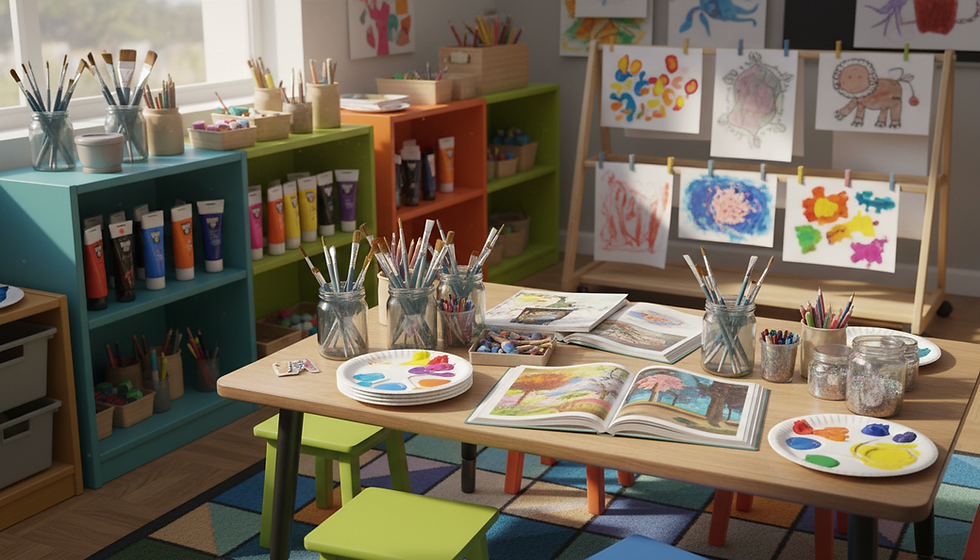
Art Kits: Purchase or create art kits that are easy to use. Each kit can contain materials for various projects, allowing your child to explore different artistic techniques without the hassle of shopping for supplies.
Local Art Classes: Explore community art studios that provide lessons tailored for homeschoolers. These classes often focus on fine arts, crafts, or even digital art, giving students hands-on experience.
The Importance of Space for Artistic Expression
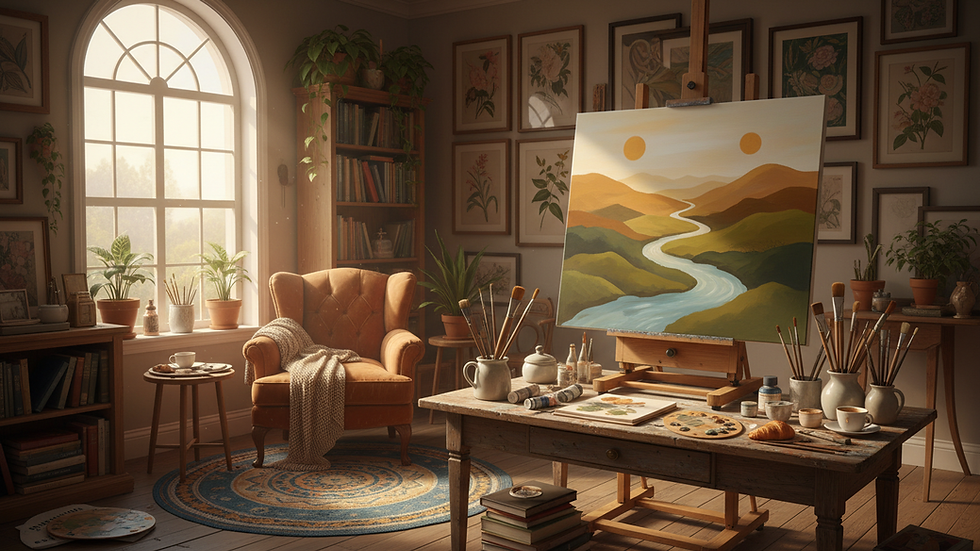
Creating a dedicated space for art in your home can significantly enhance the learning experience. Here are some tips to set up an ideal art studio at home:
Choose a Suitable Location: Select a quiet area with good natural light. This will help inspire creativity and make the space more inviting.
Provide Sufficient Supplies: Stock the space with a variety of art supplies—paints, brushes, papers, and more. Providing diverse materials encourages experimentation.
Create a Display Area: Consider a space where your child can display their artworks. This not only boosts their confidence but also makes your home environment more aesthetically pleasing.
Reduce Clutter: Keep the space organized. Teach your child the importance of maintaining a clean workspace as part of their creative process.
Celebrating Artistic Achievements
Acknowledging your child’s artistic efforts can foster confidence and motivation. Here are some ways to celebrate their achievements:
Art Shows: Arrange a family art show. Invite friends and relatives to view your child’s works. This allows your child to take pride in their creations and receive positive feedback.
Art Competitions: Encourage participation in local art competitions. This provides a goal for your child and enhances their commitment to producing quality work.
Art Portfolio: Help your child maintain a portfolio of their artworks. This can serve as a record of their growth and development over the years.
The Impact of Art on Learning Styles
Art education caters to various learning styles, making it an excellent choice for homeschoolers. Here’s how art resonates with different learners:
Visual Learners benefit from seeing concepts illustrated through art. Creating visual representations of what they learn can help reinforce concepts.
Kinesthetic Learners thrive in environments where they can manipulate materials. They often master concepts quicker when they engage in hands-on art projects.
Auditory Learners can improve their understanding of concepts through storytelling in art. They might engage with projects by discussing their ideas and inspirations.
Incorporating art into your homeschool curriculum is not merely about creating aesthetically pleasing pieces. It’s an educational strategy that strengthens various skills and enhances emotional growth. By providing opportunities for creative expression, you give your child tools they will carry throughout their learning journey.
For families considering more structured support in art education, look into homeschool art classes. These classes can provide direction while allowing students to explore their creativity.
Emphasizing Lifelong Learning Through Art
Ultimately, the integration of art into homeschool education sets the groundwork for lifelong learning. Children who engage with the arts are more likely to appreciate creativity in all aspects of life—be it in personal endeavors, future careers, or simply as a means of enjoyment.
With the skills gained through artistic expression, children develop a well-rounded ability to tackle challenges and visualize solutions in ways that formal education alone may not provide. Embracing art in your homeschool journey is not just about teaching your child to draw—it's about nurturing their spirit of innovation, curiosity, and heartfelt expression.
As you embark on this creative journey, remember there are no limits to what your child can achieve with art as a core component of their education. Embrace the process, celebrate the creativity, and witness the transformation unfold.
Comments