

Exploring Soul Art and Archetypes Through Layers of Emotion in Painting

Updated: May 7
Art has a unique power to express what words often cannot. When artists tap into their inner world, they create works that resonate deeply with viewers. Soul art, a form of creative expression that channels the essence of the self, often uses archetypes and emotional layers to communicate complex feelings and universal truths. This post explores how soul art and archetypes come together in painting, revealing layers of emotion that invite reflection and connection.

Understanding Soul Art
Soul art is more than just painting or drawing; it is a process of uncovering and expressing the inner self. Artists who create soul art often work intuitively, allowing their subconscious to guide the brush. This approach helps reveal hidden feelings, memories, and desires that might not be accessible through conscious thought.
Soul art is deeply personal but also universal. It connects the individual’s experience with broader human themes. The goal is not to produce a perfect image but to capture the essence of the soul’s journey. This raw and honest expression can evoke strong emotional responses in viewers, making soul art a powerful form of communication.
The Role of Archetypes in Art
Archetypes are universal symbols or themes that appear across cultures and time. They represent fundamental human experiences and roles. In art, archetypes serve as a language that speaks to the collective unconscious, a concept introduced by psychologist Carl Jung.
When artists incorporate archetypes into their work, they tap into shared stories and emotions. This connection allows viewers to recognize and relate to the artwork on a deeper level. For example, a painting featuring a figure resembling the archetype of the warrior might evoke feelings of courage and struggle, while the archetype of the caregiver might inspire warmth and protection.
Painting Layers of Emotion
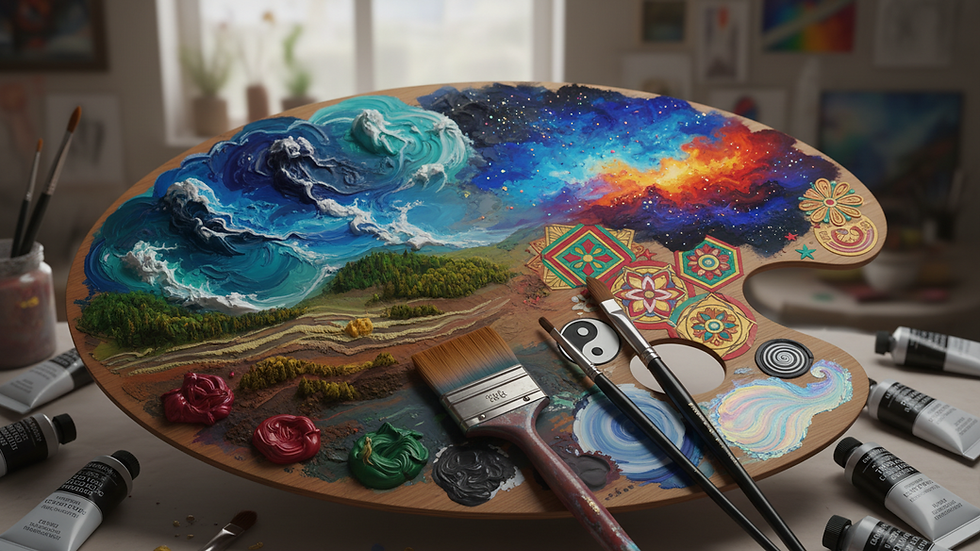
One of the most compelling aspects of soul art is the use of layers to represent emotional complexity. Just as human emotions are rarely simple or singular, paintings can reflect this richness through multiple layers of color, texture, and form.
Each layer builds upon the previous one, creating a visual narrative that invites viewers to explore and interpret the emotions embedded in the work.
Examples of Soul Art Using Archetypes and Emotional Layers
Example 1: The Inner Child
An artist might paint a figure representing the inner child archetype, surrounded by layers of soft pastel colors and playful shapes. The layers could include rough textures to hint at past wounds or trauma, balanced by smooth, flowing lines that suggest healing and hope. This combination tells a story of vulnerability and resilience.
Example 2: The Shadow Self
Another painting might explore the shadow archetype, using dark, heavy layers with sharp, jagged forms. The emotional layers could include hints of red or purple to indicate anger or pain beneath the surface. This work invites viewers to confront their own hidden fears and desires.
Example 3: The Journey of Transformation
A more complex piece might depict the hero’s journey archetype, with layers that transition from dark to light colors. The textures might shift from chaotic to smooth, symbolizing the process of struggle, growth, and eventual transformation. This painting encourages reflection on personal challenges and triumphs.

The Impact of Soul Art on Emotional Well-being
Creating or viewing soul art can be a form of emotional release and healing. The process of painting layers of emotion helps artists process complex feelings. For viewers, connecting with archetypes and emotional depth can foster empathy and self-awareness.
Art therapy often uses similar principles, encouraging people to express what is difficult to say. Soul art takes this further by focusing on the spiritual and symbolic dimensions of human experience. This approach can support personal growth and emotional balance.

Download your FREE "How to Paint from Your Soul" Guide Book here:

Comments