

Master Art Skills with Flexible Art Courses

Art is a journey, not a destination. Whether you’re just starting out or looking to refine your skills, finding the right learning path can make all the difference. Flexible art courses offer a fantastic way to explore your creativity without the pressure of rigid schedules or overwhelming commitments. I’ve discovered that these courses open doors to new techniques, styles, and inspiration, all while fitting neatly into your busy life.
Let me take you through why flexible art courses are a game-changer, how they work, and how you can make the most of them to master your art skills.
Why Choose Flexible Art Courses?
Have you ever felt stuck because your schedule didn’t match up with art classes? Or maybe you wanted to learn at your own pace, revisiting lessons as often as needed? Flexible art courses solve these problems beautifully.
Here’s why they stand out:
Learn on your own time: No need to rush or stress about deadlines.
Tailored to your pace: Spend more time on tricky techniques or breeze through familiar ones.
Access from anywhere: Whether at home, a café, or even on vacation, your art classroom is wherever you are.
Wide variety of topics: From watercolor basics to advanced digital art, you can pick what excites you most.
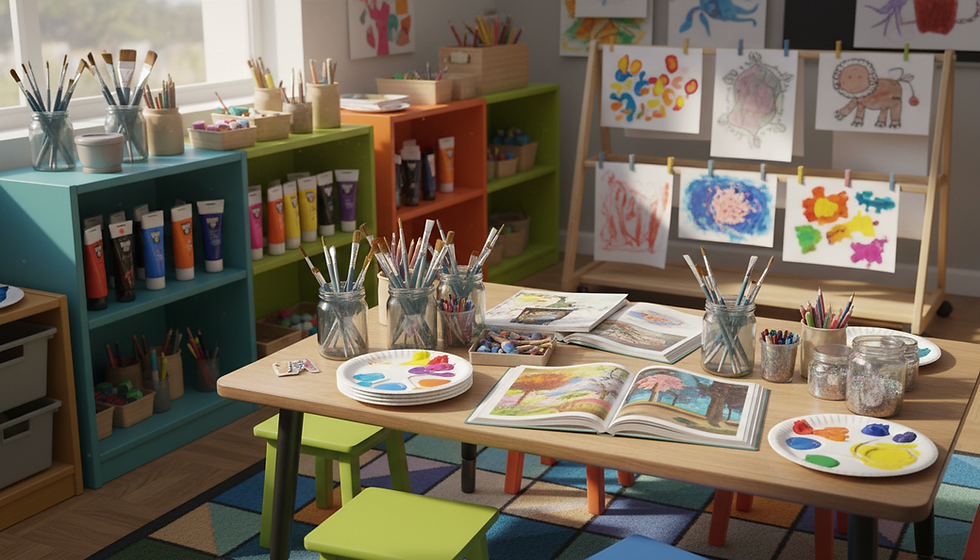
Imagine being able to pause a lesson, try a technique, and then jump back in when you’re ready. This flexibility encourages deeper learning and creativity. Plus, it’s perfect for all ages—kids, teens, and adults alike can benefit from this adaptable approach.

How Flexible Art Courses Work
Flexible art courses often come in formats that suit different learning styles. Some are video-based, others include downloadable materials, and many offer interactive elements like forums or live Q&A sessions.
Here’s a typical structure you might find:
Introduction to the course: Overview of what you’ll learn and materials needed.
Step-by-step lessons: Clear instructions with demonstrations.
Practice assignments: Hands-on projects to apply new skills.
Feedback opportunities: Some courses provide critiques or community support.
Final project: A chance to showcase what you’ve mastered.
The beauty of these courses is that you can revisit any part as many times as you want. If you’re learning a complex technique like shading or perspective, this repetition is invaluable.
For example, I once took a flexible course on acrylic painting. I could pause the instructor’s video to try a brushstroke technique, rewind to catch details I missed, and practice at my own speed. This made the learning process enjoyable and effective.
If you’re interested, you can explore self paced art courses that offer this kind of freedom and support.
Tools and Materials You’ll Need
Starting a flexible art course is exciting, but having the right tools can make your experience smoother and more enjoyable. Most courses will provide a list of recommended materials, but here are some essentials to consider:
Basic drawing supplies: Pencils (HB, 2B, 4B), erasers, sharpeners.
Paper: Sketchbooks or quality drawing paper.
Paints: Watercolors, acrylics, or oils depending on your course.
Brushes: Various sizes and shapes for different effects.
Digital tools: A tablet and stylus if you’re exploring digital art.
Don’t worry if you don’t have everything right away. Many courses suggest beginner-friendly kits or alternatives. The key is to start with what you have and gradually build your collection as you grow.
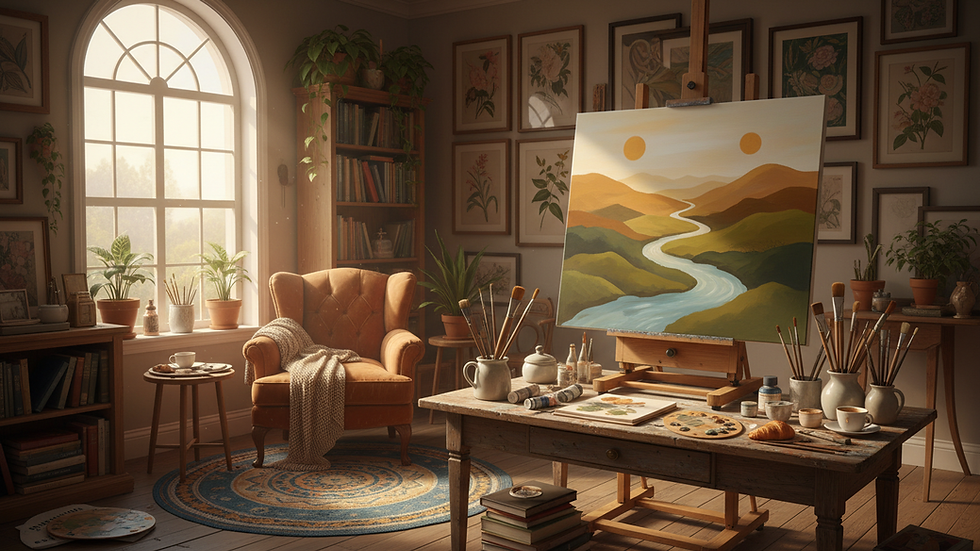
Also, setting up a dedicated art space—even a small corner—can boost your motivation and focus. Keep your supplies organized and within reach to make your creative sessions inviting.

Tips to Maximize Your Learning Experience
Taking flexible art courses is a fantastic step, but how do you make sure you get the most out of them? Here are some practical tips I’ve found helpful:
Set a regular schedule: Even if the course is flexible, having a routine helps build momentum.
Create goals: Define what you want to achieve by the end of the course.
Practice consistently: Art skills improve with regular practice, even if it’s just 15 minutes a day.
Join a community: Many courses have forums or social media groups where you can share your work and get feedback.
Experiment boldly: Don’t be afraid to try new styles or materials. Mistakes are part of the learning process.
Reflect on your progress: Keep a journal or portfolio to track your growth and celebrate milestones.
For example, I set a goal to complete one painting per week during a flexible course. This kept me motivated and gave me a tangible sense of progress. Sharing my work with fellow learners also sparked new ideas and encouragement.
Embracing Creativity at Your Own Pace
One of the most rewarding aspects of flexible art courses is the freedom to explore creativity without pressure. You can dive deep into subjects that fascinate you, whether it’s portrait drawing, abstract art, or mixed media.
This approach nurtures a positive relationship with art. Instead of feeling overwhelmed or rushed, you enjoy the process and discover your unique style. Plus, it’s a wonderful way to unwind and express yourself, which is especially valuable for mental well-being.
If you’re in Cape Coral, places like Art a la Carte 239 offer workshops and events that complement these flexible courses. Combining in-person experiences with online learning creates a rich environment for growth and connection.
So, why wait? Start your art journey today with flexible art courses that fit your lifestyle and inspire your creativity.
Your Next Step in Artistic Growth
Ready to take the plunge? Flexible art courses are designed to meet you where you are and help you grow at your own pace. Whether you want to pick up a new hobby, improve your skills, or explore art therapy techniques, these courses provide the tools and support you need.
Remember, every artist started somewhere. With patience, practice, and the right guidance, you can master art skills that bring joy and fulfillment. Dive into the world of flexible learning and watch your creativity flourish.
Happy creating!
Comments