

Inclusive Art Learning: Art Education for Every Stage of Life

Art is a universal language that speaks to all of us, no matter our age or background. Whether you're a child just discovering colors and shapes, a teen exploring your creative voice, or an adult seeking a new hobby or therapeutic outlet, art education offers something valuable at every stage of life. I’ve seen firsthand how engaging with art can transform perspectives, boost confidence, and foster a sense of community. Let’s dive into why art education matters for everyone and how you can embrace it in your own journey.
Embracing Inclusive Art Learning for All Ages
When we talk about inclusive art learning, we mean creating opportunities where everyone feels welcome to express themselves creatively. This approach breaks down barriers like age, skill level, or background, making art accessible and enjoyable for all. Imagine a space where a child paints alongside a retiree, or a teen learns digital art while an adult experiments with pottery. That’s the beauty of inclusive art learning.
At Art a la Carte 239 Cape Coral, this inclusivity is at the heart of what we do. Our workshops and events are designed to nurture creativity in a supportive environment. Whether you prefer in-person classes or online sessions, there’s a place for you to grow and connect with others who share your passion.
Why is inclusive art learning so important?
Builds confidence: Trying new art forms helps people overcome self-doubt.
Encourages self-expression: Everyone has a unique story to tell through art.
Fosters community: Shared creative experiences bring people together.
Supports mental health: Art can be a powerful tool for relaxation and healing.

How Art Education Evolves Through Life Stages
Art education isn’t a one-size-fits-all experience. It adapts and grows with you, offering different benefits and challenges at each stage.
Childhood: The Foundation of Creativity
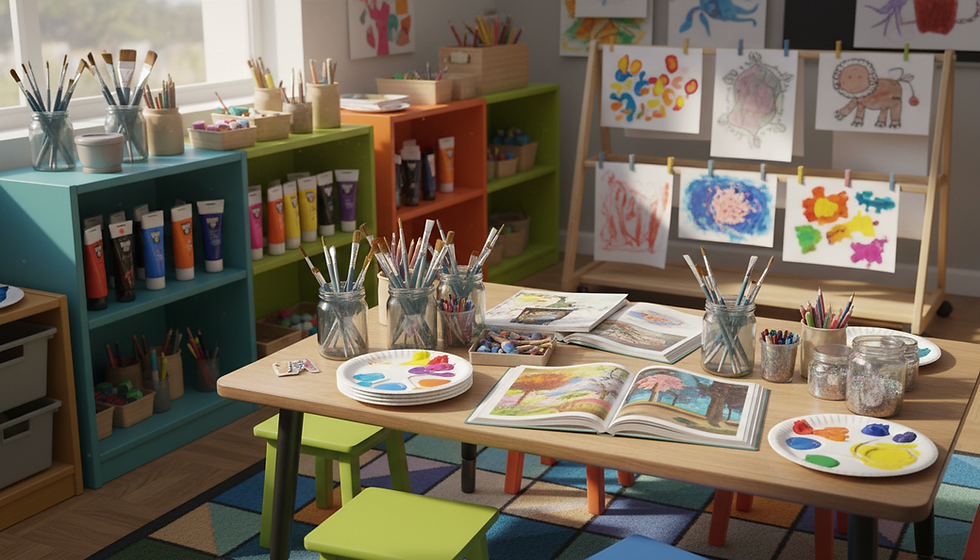
For children, art is a playground for imagination. It’s about exploring colors, shapes, and textures without fear of making mistakes. Early art education encourages fine motor skills, problem-solving, and emotional expression. Think of finger painting, clay modeling, or simple drawing exercises that spark curiosity.
Practical tip: Encourage children to experiment freely. Avoid focusing on “perfect” results and instead celebrate their creative process.
Teenage Years: Finding Your Voice
Teens often use art to explore identity and emotions. This stage is perfect for introducing more structured techniques like sketching, digital art, or mixed media. Art can also be a safe space to process complex feelings and build resilience.
Example: A teen might start a personal art journal or join a local art group to share ideas and get feedback.
Adulthood: Art as a Passion and Therapy
Adults may return to art as a hobby, a career, or a form of therapy. Whether it’s painting, sculpture, or photography, art offers a way to unwind, express, and connect. For many, it’s also a chance to learn new skills and meet like-minded people.
Actionable advice: Try setting aside regular “creative time” each week. Join workshops or online classes to stay motivated and inspired.

What is the 70/30 rule in art?
You might have heard about the 70/30 rule in art, which is a helpful guideline for balancing creativity and technique. The idea is that 70% of your art practice should focus on exploration and experimentation, while 30% should be dedicated to mastering skills and techniques.
Why does this matter? Because too much focus on perfection can stifle creativity, while too little technique can limit your ability to bring ideas to life. Striking this balance helps artists of all ages stay motivated and grow.
How to apply the 70/30 rule:
Spend most of your time trying new materials, styles, or concepts.
Dedicate some time to practicing fundamentals like drawing, color theory, or composition.
Reflect on your progress and adjust your focus as needed.
This rule encourages a playful yet disciplined approach to art education, making it suitable for beginners and experienced artists alike.
Practical Ways to Engage with Art Education for All Ages
If you’re ready to dive into art, here are some practical ways to get started or deepen your practice:
Join local workshops or classes: Look for community centers or studios like Art a la Carte 239 Cape Coral that offer sessions tailored to different age groups.
Explore online courses: Many platforms provide flexible learning options, perfect for busy schedules.
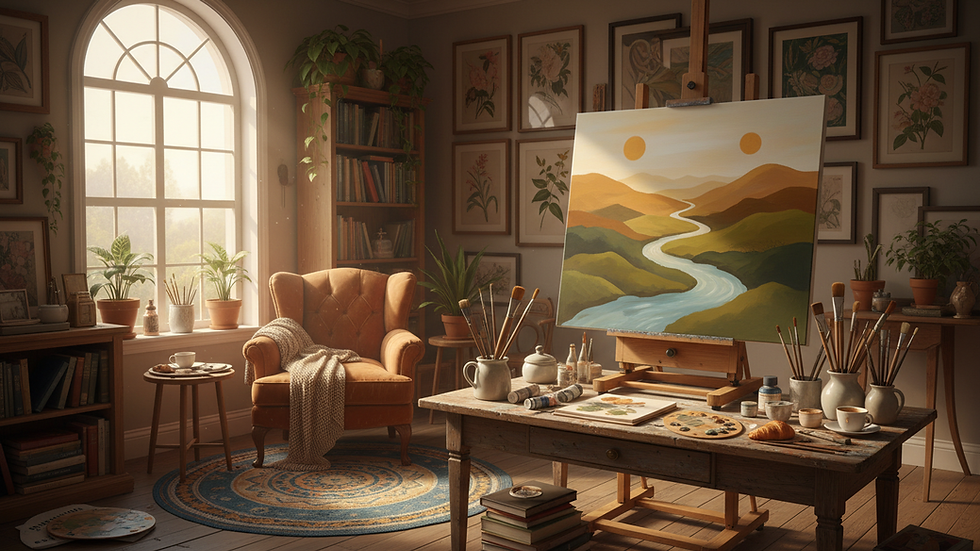
Create a dedicated art space at home: Even a small corner with supplies can inspire regular creativity.
Set achievable goals: Whether it’s completing a painting or learning a new technique, goals keep you motivated.
Connect with other artists: Sharing your work and experiences enriches your journey.
Use art as therapy: Try journaling, collage, or mindful drawing to reduce stress and boost well-being.
Remember, the key is to enjoy the process and allow your creativity to flow naturally.
Growing a Creative Community in Cape Coral
One of the most rewarding aspects of art education is the community it builds. In Cape Coral, there’s a vibrant network of creators eager to share and learn together. At Art a la Carte 239 Cape Coral, we’re proud to be a hub for this creative energy.
Whether you’re a beginner or a seasoned artist, joining a community can:
Provide inspiration and new ideas
Offer constructive feedback
Create opportunities for collaboration
Make art a regular and joyful part of your life
If you’re curious about how to get involved, start by attending a local workshop or art event. You’ll find that the connections you make can be just as valuable as the skills you gain.
For those interested in exploring more, check out this resource on art education for all ages to discover programs and opportunities tailored to your needs.
Art is a lifelong journey, and there’s no wrong way to start or continue. Whether you’re picking up a brush for the first time or returning to a beloved hobby, remember that art education is for everyone. It’s about discovery, expression, and connection at every stage of life. So why not take that first step today? Your creative adventure awaits.
Comments