

Exploring the Healing Journey through Imperfect Art and Therapeutic Creativity
- Sharon

- May 27
- 3 min read
Art has a unique way of reaching parts of us that words often cannot. When life feels overwhelming, confusing, or painful, creative expression can offer a path to understanding and healing. Therapeutic art invites us to explore emotions, release tension, and find peace through the process of making something personal and meaningful. We will explore how art therapy helps individuals express emotions and heal, highlights the beauty of "perfectly imperfect" art, and offers practical tips for bringing therapeutic creativity into daily life.
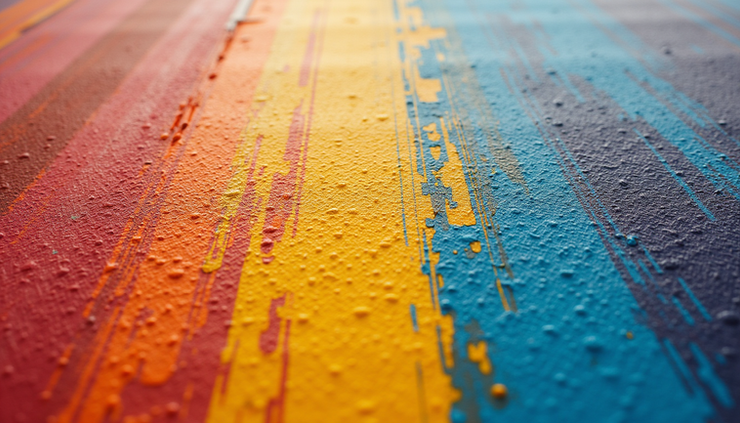
Close-up of a textured canvas showing colorful, abstract brush strokes with visible imperfections
How Therapeutic Art Helps Express Emotions and Heal
Many people struggle to put their feelings into words, especially when emotions are complex or painful. Art therapy provides a safe space to explore these feelings visually and physically. The act of creating art can:
Release pent-up emotions: Drawing, painting, or sculpting allows emotions to flow out in a tangible form.
Reduce stress and anxiety: Focusing on creative tasks can calm the mind and body.
Increase self-awareness: Seeing emotions reflected in art helps people understand their inner experiences.
Build resilience: Creating something despite challenges fosters a sense of accomplishment and hope.
Improve mood: Engaging in art can boost dopamine, the brain’s feel-good chemical.
Art therapy is often guided by trained professionals, but anyone can benefit from using art as a tool for emotional expression and healing. It’s not about creating a masterpiece but about the process and what it reveals.
The Beauty of "Perfectly Imperfect" Art
One of the most powerful lessons in therapeutic art is embracing imperfection. Art doesn’t have to be flawless or realistic to be meaningful. In fact, the quirks, mistakes, and unexpected results often make art more authentic and beautiful.
Consider these examples of "perfectly imperfect" art:
Abstract paintings with uneven brush strokes that capture raw emotion rather than precision.
Handmade pottery with asymmetrical shapes that reflect the artist’s unique touch.
Collages made from torn paper and mismatched colors that tell a personal story.
Sketches with smudges and erased lines showing the artist’s process and growth.
These imperfections symbolize the human experience—flawed, evolving, and full of character. Accepting imperfections in art encourages self-compassion and reduces the pressure to be perfect in life.
Simple Therapeutic Art Projects to Try at Home
You don’t need special skills or expensive materials to start using art for healing. Here are some easy projects and techniques anyone can try:
1. Emotion Color Wheel
Draw a circle and divide it into sections.
Assign a color to different emotions (e.g., blue for sadness, red for anger).
Fill each section with colors that represent how you feel that day.
Reflect on the colors and what they reveal about your mood.
2. Freeform Doodling
Take a blank sheet of paper and a pen or pencil.
Let your hand move freely without planning.
Don’t judge or erase anything.
Notice how the shapes and lines make you feel.
3. Collage of Positive Memories
Gather old magazines, photos, or printed images.
Cut out pictures or words that remind you of happy moments.
Glue them onto a paper or cardboard.
Use this collage as a visual reminder of joy and hope.
4. Mindful Mandala Drawing
Draw a circle and fill it with repetitive patterns or shapes.
Focus on the rhythm of drawing to calm your mind.
Use colors that feel soothing or energizing.
5. Clay or Playdough Modeling
Use clay or playdough to shape whatever comes to mind.
Focus on the tactile sensation and the freedom to create.
Notice any emotions that arise during the process.
Tips for Making Therapeutic Art a Daily Habit
Incorporating art into your routine doesn’t require hours or special setups. Here are some ways to make therapeutic creativity part of your everyday life:
Set aside 10-15 minutes daily for a quick art activity.
Create a dedicated space with basic supplies like paper, pencils, and colors.
Use art as a break during stressful moments to reset your mind.
Keep a visual journal to track your feelings and progress.
Avoid judging your work; focus on the experience, not the outcome.
Share your art with trusted friends or therapists if you feel comfortable.
Combine art with other self-care practices like meditation or journaling.
Embracing Creativity to Support Emotional Well-being
Therapeutic art is a gentle, accessible way to connect with your emotions and nurture your mental health. It reminds us that healing is not about perfection but about expression and acceptance. When you allow yourself to create without fear of mistakes, you open the door to self-discovery and growth.
Whether you paint, draw, sculpt, or collage, your art is a reflection of your unique story. Celebrate the imperfections—they make your creativity real and powerful. Start small, be patient, and enjoy the journey of unlocking healing through imperfect art.


Comments