

Embracing Imperfect Art Concepts: Finding Beauty in Flaws

Art is often seen as a pursuit of perfection. We admire flawless brush strokes, precise lines, and symmetrical designs. But what if the true magic lies not in perfection, but in imperfection? I’ve come to realize that embracing imperfect art concepts opens up a world of creativity, freedom, and emotional expression. It invites us to celebrate uniqueness and authenticity rather than conforming to rigid standards.
Whether you’re a beginner or a seasoned artist, understanding and appreciating the beauty of imperfection can transform your artistic journey. Let’s explore how imperfect art concepts can inspire you, challenge traditional ideas, and bring joy to your creative process.
What Are Imperfect Art Concepts?
When we talk about imperfect art concepts, we refer to artistic expressions that intentionally or naturally include flaws, irregularities, or asymmetry. These imperfections are not mistakes but essential elements that add character and depth to the artwork.
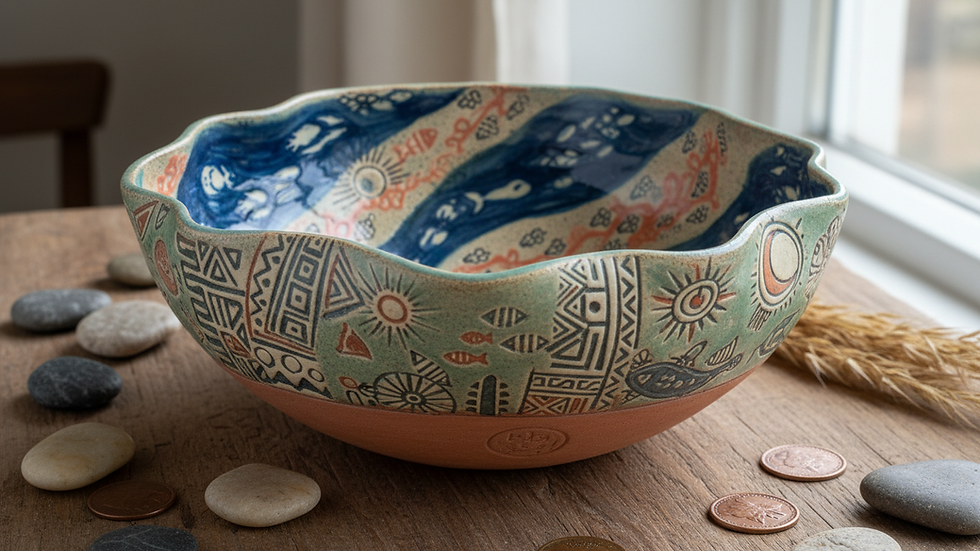
Think of a handmade pottery piece with uneven edges or a painting where brush strokes are visible and spontaneous. These details tell a story and evoke emotions that polished, perfect art might not. Imperfect art concepts encourage artists to:
Embrace mistakes as part of the creative process
Focus on emotional impact rather than technical precision
Experiment with unconventional materials and techniques
Celebrate individuality and personal style
For example, the Japanese philosophy of wabi-sabi finds beauty in impermanence and imperfection. It teaches us to appreciate the natural cycle of growth and decay, reflected in art that looks weathered or incomplete. This mindset can be liberating, especially for those who feel pressured to create “perfect” art.
How Imperfect Art Concepts Inspire Creativity
Have you ever felt stuck trying to make your art flawless? Imperfect art concepts can be the key to unlocking your creativity. When you stop worrying about mistakes, you open the door to experimentation and discovery.
Here are some ways imperfect art concepts can inspire you:
Freedom to Explore
Without the fear of errors, you can try new styles, colors, and materials. This freedom often leads to unexpected and exciting results.
Emotional Connection
Imperfect art often feels more personal and relatable. It reflects real emotions and experiences, making it easier for viewers to connect with the work.
Unique Style Development
By embracing your quirks and imperfections, you develop a distinctive artistic voice that sets you apart.
Stress Relief and Mindfulness
Creating imperfect art can be therapeutic. It encourages you to focus on the moment and enjoy the process rather than the outcome.
For instance, in art therapy sessions, participants often find relief and joy in creating without judgment. This approach helps build confidence and self-expression, which is why workshops focusing on imperfect art concepts are so popular.
Who Famously Got Rejected from Art School?
It’s inspiring to know that some of the greatest artists faced rejection and setbacks early in their careers. Vincent van Gogh, for example, was rejected by the Royal Academy of Fine Arts in Brussels. Despite this, he went on to create some of the most iconic and emotionally powerful paintings in history.
Similarly, Henri Matisse was initially discouraged by his teachers but persisted in developing his unique style, which revolutionized modern art. These stories remind us that imperfection and rejection are not barriers but stepping stones to greatness.
If these artists had focused solely on technical perfection or approval, the world might have missed out on their groundbreaking work. Their journeys encourage us to embrace our own imperfections and keep creating.
Practical Tips to Embrace Imperfect Art Concepts
Ready to dive into imperfect art? Here are some practical tips to help you get started and enjoy the process:
Start Small and Simple
Use basic materials like pencils, watercolors, or clay. Don’t worry about the final product; focus on enjoying the act of creation.
Allow Mistakes
When you make a “mistake,” ask yourself what new direction it could lead to. Sometimes, errors create beautiful textures or shapes.
Use Mixed Media
Combine different materials like paper, fabric, paint, and found objects. This adds layers and unpredictability to your work.
Practice Mindfulness
Pay attention to your feelings and thoughts while creating. Let your emotions guide your brush or hands.
Join a Workshop or Group
Sharing your experience with others can boost your confidence and provide fresh ideas. Look for local art classes or online communities that celebrate imperfect art.
Display Your Work Proudly
Don’t hide your art because it’s not perfect. Show it off! Your unique creations can inspire others to embrace their own imperfections.
By incorporating these tips, you’ll find that your art becomes more authentic and fulfilling. Remember, the goal is not to produce flawless pieces but to express yourself freely.
Why Imperfect Art Matters in Our Lives
In a world obsessed with perfection, imperfect art offers a refreshing perspective. It teaches us to accept ourselves and others as we are, with all our flaws and strengths. This acceptance can improve mental health, boost creativity, and foster a sense of community.
Art that embraces imperfection also reflects life’s realities. Nothing is ever truly perfect or permanent. By appreciating imperfect art, we learn to find beauty in everyday moments and challenges.
For those exploring art therapy, imperfect art concepts are especially valuable. They provide a safe space to explore emotions, reduce anxiety, and build resilience. Whether you’re painting, sculpting, or drawing, the process itself becomes a healing journey.
If you’re in Cape Coral and want to explore these ideas further, consider joining workshops at Art a la Carte 239. They offer engaging sessions for all ages, both in-person and online, designed to nurture creativity and community.
Embracing perfectly imperfect art is more than a trend - it’s a mindset that can transform how we create and appreciate art. So next time you pick up a brush or a pencil, remember: your unique touch is what makes your art truly special. Don’t be afraid to let your imperfections shine.
Happy creating!
Comments