

Designing a Homeschool Art Program: A Creative Journey for All Ages

Art is a wonderful way to express ourselves, explore new ideas, and develop skills that last a lifetime. Whether you are a beginner or someone looking to deepen your artistic abilities, designing a homeschool art program can be an exciting and rewarding adventure. But where do you start? How do you create a curriculum that is engaging, educational, and flexible enough to fit your unique needs? Let’s dive into the essentials of crafting a homeschool art program that inspires creativity and growth.
Why Choose a Homeschool Art Program?
Art education is more than just drawing or painting. It’s about understanding culture, history, emotions, and techniques. A homeschool art program offers the freedom to tailor lessons to your interests and pace. You can explore everything from classical art to modern digital design, all while fostering a love for creativity.
Imagine spending a morning experimenting with watercolors, then an afternoon learning about famous artists like Frida Kahlo or Vincent van Gogh. This approach makes learning personal and meaningful. Plus, it encourages critical thinking and problem-solving skills that benefit other areas of life.
Benefits of a Homeschool Art Program
Flexibility: Choose projects and schedules that work best for you.
Personalized Learning: Focus on your favorite mediums and styles.
Creative Confidence: Build skills through practice and experimentation.
Cultural Awareness: Discover art from different times and places.
Therapeutic Value: Use art as a way to relax and express emotions.

Building Blocks of a Homeschool Art Program
Creating a homeschool art program starts with understanding the core components that make art education effective and enjoyable. Here’s a simple framework to guide you:
1. Set Clear Goals
What do you want to achieve? Are you focusing on skill development, art history knowledge, or simply having fun? Setting goals helps you choose the right activities and materials.
2. Choose Your Mediums
Art comes in many forms: drawing, painting, sculpture, collage, digital art, and more. Try a variety to see what resonates most. For example, start with pencil sketches, then move to acrylic paints or clay modeling.
3. Plan Lessons and Projects
Organize your time with a mix of lessons and hands-on projects. Lessons can cover techniques like shading or color theory, while projects allow you to apply what you’ve learned creatively.
4. Incorporate Art History and Appreciation
Understanding the stories behind art enriches your experience. Include short readings or videos about artists, movements, and cultural contexts.
5. Provide Space and Supplies
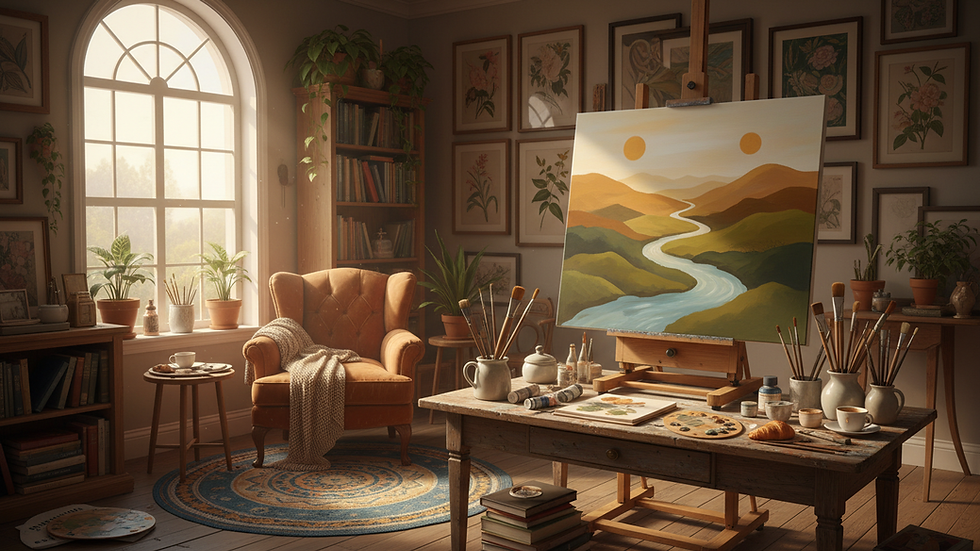
Create a dedicated art space with easy access to materials. This encourages spontaneous creativity and keeps everything organized.
6. Reflect and Share
Encourage reflection on completed projects. What did you enjoy? What was challenging? Sharing your work with others, even online or in local groups, builds confidence and community.
Practical Tips for Designing Your Curriculum
Now that you know the basics, let’s get practical. Here are some actionable recommendations to help you design a homeschool art curriculum that works.
Start Small and Build Gradually
Don’t overwhelm yourself with too many materials or complex projects at once. Begin with simple exercises like basic shapes, color mixing, or texture exploration. Gradually introduce more advanced techniques as you gain confidence.
Use Themes to Inspire Creativity
Themes can make lessons more engaging. For example, explore nature by drawing leaves and flowers, or dive into emotions by creating abstract art that expresses feelings. Themes help connect art to real life and spark imagination.
Mix Structured Lessons with Free Art Time
Balance is key. Structured lessons teach skills and concepts, while free art time allows for personal expression and experimentation. Both are essential for a well-rounded program.
Leverage Online Resources and Local Opportunities
There are countless free and paid resources online, from video tutorials to printable worksheets. Additionally, consider joining local art workshops or events in Cape Coral to connect with other artists and learn new techniques.
Keep a Portfolio
Document your progress by keeping a portfolio of your artwork. This not only tracks improvement but also provides a sense of accomplishment.

Encouraging Artistic Growth at Every Age
Art is for everyone, no matter your age or experience. Here’s how to adapt your homeschool art program for different stages of life:
For Children
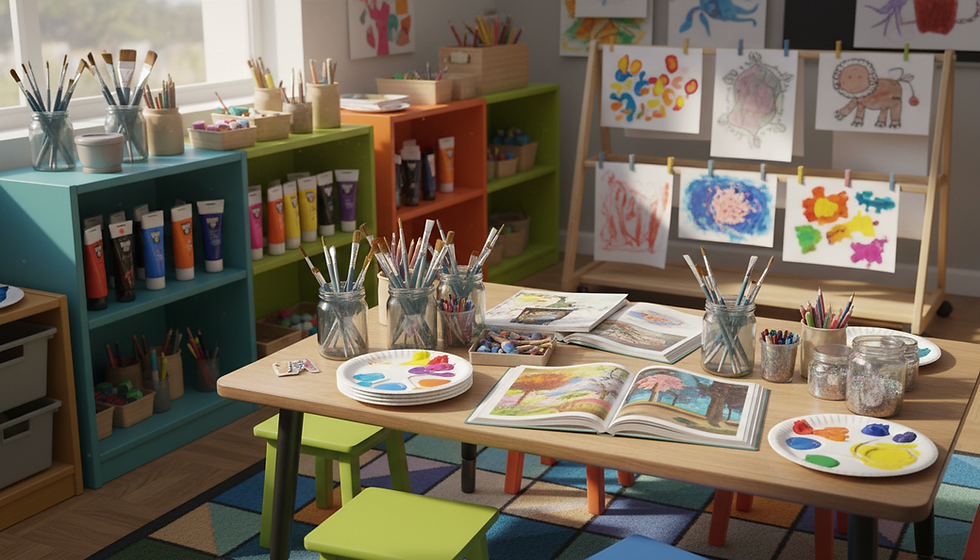
Focus on exploration and play. Use bright colors, simple shapes, and fun materials like finger paints or clay. Encourage storytelling through art and celebrate all creations to build confidence.
For Teens
Introduce more complex techniques and art history. Encourage experimentation with different styles and mediums. Discuss famous artists and movements to deepen understanding and inspire personal expression.
For Adults
Explore art as a form of relaxation and self-discovery. Try new mediums like acrylics, pastels, or digital art. Consider art therapy techniques to use creativity as a tool for emotional well-being.
Bringing It All Together: Your Personalized Homeschool Art Curriculum
Designing a homeschool art curriculum is about creating a journey that fits your interests, goals, and lifestyle. Remember, there is no one-size-fits-all approach. The key is to stay curious, be patient, and enjoy the process.
If you’re looking for inspiration or community support, consider exploring resources like homeschool art curriculum options available through local workshops and online classes. These can provide structure and expert guidance while still allowing you the freedom to customize your learning.
Nurturing Creativity Beyond the Classroom
Art doesn’t have to be confined to lessons and projects. It can be part of everyday life. Here are some ideas to keep creativity flowing:
Visit local galleries or museums in Florida.
Take nature walks and sketch what you see.
Create seasonal art projects tied to holidays or weather.
Collaborate with friends or family on group art pieces.
Use art journaling to capture thoughts and ideas visually.
By weaving art into daily routines, you build a lifelong habit of creativity and self-expression.
Designing your homeschool art program is a wonderful way to explore your artistic side and grow your skills. With clear goals, a variety of mediums, and a balance of structure and freedom, you can create a curriculum that inspires and delights. So, gather your supplies, set up your space, and let your creativity soar!
Comments